AAAC Wildlife Removal of Phoenix is a licensed wildlife control company specializing in humane bat exclusion, guano cleanup, and structural repair across the Phoenix metro area.
Bat Removal Service Areas Across Phoenix Metro
AAAC Wildlife Removal of Phoenix provides bat exclusion, guano cleanup, and damage repair across the greater Phoenix metropolitan area, including Apache Junction, New River, Paradise Valley, Litchfield Park, El Mirage, Fountain Hills, Sun Lakes, Cave Creek, Sun City West, and Queen Creek. This regional coverage means homeowners throughout the Valley have access to the same humane, code-compliant removal process regardless of which suburb they’re in.
Why Bats Move Into Phoenix Attics and Homes
Phoenix attics offer bats exactly what they’re looking for: warmth, darkness, and protection from predators, especially during the cooler winter months. Bats are opportunistic and can squeeze through surprisingly small gaps – construction cracks, torn screens, unsealed vents, and openings around chimneys and rooflines are all common entry points in Phoenix-area homes.
Once inside, a colony can grow quickly, and what starts as a single bat can become a much larger roosting problem within weeks. Because bats return to the same roost site year after year if the entry point isn’t sealed, an infestation that isn’t professionally addressed tends to recur seasonally.
Signs of a Bat Infestation in Your Home
Homeowners often notice bats before they see one directly. Common signs include scratching or chittering sounds in the attic or walls (especially around dusk when bats become active), a strong ammonia-like odor from accumulated droppings, dark staining or rub marks around entry points where bats squeeze in and out, and visible guano piles beneath roost sites. If you notice bats exiting your roofline at dusk in a steady stream, that’s a strong indicator of an established colony rather than a single stray bat.
How Humane Bat Exclusion Works
Bat removal is fundamentally different from removal of most other nuisance wildlife – it is not a trapping process. Because several bat species are protected and beneficial for insect control, the accepted humane approach is exclusion: a licensed technician inspects the structure to locate every active entry point, then installs one-way exclusion devices over those openings. These devices allow bats to exit to feed at night but prevent them from re-entering the structure.
Once the technician confirms the colony has fully vacated, all remaining gaps are sealed to prevent future entry, and the excluded openings are permanently closed. This process typically takes place over several days to ensure no bats are trapped inside, and timing matters – exclusion is generally avoided during maternity season when flightless pups may be present, since sealing an active roost at the wrong time can separate mothers from young.
Bat Guano Health Risks and Cleanup
Bat droppings, or guano, are more than just an unpleasant mess – they carry real health risks. Accumulated guano can harbor the fungus responsible for Histoplasmosis, a respiratory illness caused by inhaling airborne spores disturbed during cleanup, and it can also contribute to attic insulation contamination, corrosive damage to wood and drywall, and mold growth in humid conditions.
In Phoenix’s attic environment, guano-heated insulation can also produce toxic fumes during peak summer temperatures. Professional cleanup involves careful removal of contaminated materials, sanitization of the affected area, and – where necessary – insulation replacement and structural repair to fully restore the space to a safe, livable condition.
Are Bats Protected in Arizona?
Yes – bats are classified as protected nongame wildlife in Arizona, meaning it is generally illegal to kill, harm, or capture them without proper authorization. This is one of the key reasons licensed wildlife removal companies rely on humane, non-lethal exclusion rather than extermination methods used for other pests. Attempting DIY removal not only risks running afoul of state wildlife protections, it also exposes homeowners to disease risk and the possibility of bites, since bats can carry rabies. Working with a professional ensures the removal method is both legal and safe.
What Affects the Cost of Bat Removal in Phoenix
Bat removal costs vary based on several factors: the size and accessibility of the colony, the number of entry points that need to be sealed, the extent of guano contamination requiring cleanup, and whether structural repairs (such as roofline or attic damage) are needed. A single, easily accessible entry point with a small colony will cost less than a multi-point infestation with significant guano buildup and insulation damage. Because every property is different, an in-person inspection is the most accurate way to get a firm quote – most reputable providers offer this as a first step before any work begins.
Bat Removal from Attics in Phoenix, AZ
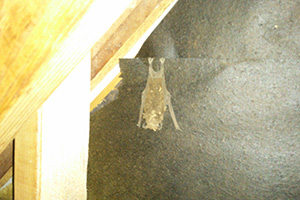
Bats enjoy staying in attics because it provides them with a warm temperature during the winter months and this can be a problem for homeowners. An infestation of bats in your attic can be hazardous to the health of your household and can damage your property.
By staying in attics, bats probably have left droppings called guano. These droppings can be corrosive and contain bacteria that could cause human illnesses including Histoplasmosis or any number of respiratory problems. In addition, bat guano can also lead to a mold problem as well as structural damage to your home. This can deteriorate the roof inside an attic which leads to leaks during rainstorms. They can also contaminate the insulation in an attic and lead to toxic fumes when it becomes heated during the summer months.
Wild animals like bats can enter through open doors or windows. Other possible ways they can get into your home are through holes in screens, construction cracks, and gaps around chimneys.
If you have bats in your attic then wildlife control professionals recommend a bat removal process which will entail installing one-way exclusion devices to prevent them from re-entering. The exclusion device is usually installed on an opening or hole where airflow forces the bats to exit through the opening and prevent any wildlife from re-entering.
Contact wildlife control company in Phoenix for your bat control problem!
Did you know that bats are the only mammal that can fly?
Phoenix Bat Removal vs Extermination
If you discover a family of bats on your property, your first instinct might be to remove bats through extermination — but that’s not the right approach. Bat infestations require humane wildlife solutions, not harmful methods that put these important creatures at risk. Most Phoenix pest control companies lack the training and certification needed to handle bat problems, which is why it’s best to call professionals who specialize in wildlife removal services.
Instead of killing bats, the safer and more effective method is exclusion. This involves installing one-way doors or bat windows that let bats leave but not return, often paired with providing alternative roosting areas nearby. These techniques protect both your property and the bats, while also ensuring the problem doesn’t come back. If you need expert help to remove bats and safeguard your home or business, contact AAAC Wildlife Removal of Phoenix today for humane wildlife solutions that work.
For your bat removal needs, give us a call today!
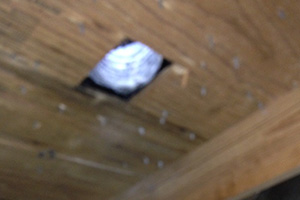
Phoenix Bat Control and Damage Repair
The best method of removing a bat is with an exclusion technique. Rather than attempting to lure a bat into a trap, it would be better to force it to leave and never let it return!
The exclusion devices should be installed by professionals for optimal success because they’re designed to fit the dimensions of each hole. We begin our animal removal procedure by figuring out how a bat gained access to your house. Once the entry holes have been created, one-way doors are installed. So, when they leave in the evening to hunt, your bats won’t be able to return to your house.
Here is how we handle a bat exclusion:
- Spend a LOT of time identifying each entrance hole into your house
- Set up one-way doors at every entry points
- Verify that we’ve excluded all of the bats in your attic
- Seal all of the entry points
- Decontaminate your attic to remove all of the harmful guano
- Change insulation (if required)
- Fix any indoor or exterior damage
Contact AAAC Wildlife Removal of Phoenix if you need help removing wild animals like Arizona bats, venomous snakes, rats, squirrels, and more!
Dead Animal Removal
The smell of a dead animal can become overwhelming just days after it passes, and it often signals larger wildlife issues on your property. Left unattended, the carcass can attract pests, spread disease, and cause significant damage to your Phoenix attic or walls. In some cases, our removal company may need to take out affected materials like insulation, drywall, or carpeting to fully remove the animal, whether it’s a raccoon, bat, or other critter hidden beneath the surface.
The sooner you call AAAC Wildlife Removal of Phoenix, the faster we can address the problem before odors worsen or contamination spreads to other parts of your home. Our team specializes in safe, thorough dead animal removal to restore your space and prevent future wildlife problems.
Frequently Asked Questions
Does Animal Control kill bats?
No, most municipal animal control agencies do not perform bat extermination, and because bats are protected wildlife, lethal control is not a legally accepted general practice. Instead, agencies typically refer homeowners to licensed wildlife control professionals who use humane exclusion methods. This keeps the removal process both compliant with state wildlife law and safer for the animals and the household.
Are bats protected in the State of Arizona?
Yes, bats are protected as nongame wildlife under Arizona law, meaning they cannot be killed, harmed, or captured without proper authorization. This is why professional removal focuses on exclusion – letting bats leave on their own through one-way devices – rather than trapping or killing. Homeowners attempting unauthorized lethal control could face legal consequences in addition to health risks.
What is bat guano?
Bat guano is the accumulated droppings left behind in a roost site, and it builds up quickly in attics with an active colony. It has a distinct ammonia-like odor and can range from loose, granular material to compacted piles depending on how long the roost has been active. Guano is also a growth medium for certain fungi, which is why it requires careful, protective handling during cleanup rather than casual removal.
Is bat guano harmful to humans?
Yes, bat guano can pose health risks, most notably through Histoplasmosis, a respiratory illness caused by inhaling fungal spores that can become airborne when dried guano is disturbed. Extended exposure can also contribute to structural issues like mold growth and insulation contamination. Because of these risks, guano cleanup is best handled by professionals using appropriate protective equipment rather than a DIY approach.
How much does bat removal cost in Phoenix?
Bat removal cost depends on the number of entry points, colony size, extent of guano contamination, and any needed structural repairs. Because these factors vary significantly from property to property, most companies provide a firm price only after an in-person inspection. Homeowners should be cautious of any quote given without an inspection, since guano cleanup and damage repair can significantly affect total cost.
Is it illegal to kill bats in Arizona?
Generally, yes – because bats are classified as protected nongame wildlife in Arizona, intentionally killing or harming them without authorization is not legally permitted. This protection is part of why humane exclusion, not extermination, is the accepted removal method statewide. It also underscores the value of hiring a licensed provider who understands the legal requirements around bat control.
How do bats get into a house or attic?
Bats can enter through surprisingly small gaps – cracks in construction, torn window or vent screens, unsealed openings around chimneys and rooflines, and gaps where different roofing materials meet. Because they only need a very small opening to squeeze through, even well-maintained homes can develop an entry point over time as materials age or shift. A thorough inspection is the only reliable way to identify every active entry point on a given property.
When is the best time of year for bat removal in Phoenix?
Bat exclusion is generally recommended during the cooler months when maternity season has ended and flightless pups are no longer present in the roost. Excluding bats during active maternity season risks sealing mothers out from dependent young, which is both inhumane and can create a secondary odor and pest problem if pups are trapped inside. A professional inspection can confirm the colony’s status and recommend the appropriate timing for a given property.