
AAAC Wildlife Removal of Phoenix is a licensed wildlife removal company serving the Phoenix metro area
Why Raccoons Are a Problem in Phoenix
Raccoons are highly adaptable and opportunistic, which makes urban and suburban Phoenix an attractive environment for them – especially near the Arizona Canal system, the Salt River bed, and irrigated neighborhoods where water and shelter are more reliably available than in the surrounding desert. Once a raccoon finds a way into an attic, soffit gap, or crawl space, it will often stay, using the space to nest and raise young.
Beyond the noise, raccoons can chew through electrical wiring (a fire risk), tear apart HVAC ductwork and insulation, and leave behind droppings and urine that create odor problems and potential exposure to parasites and bacteria. Outside the home, raccoons are known for raiding trash cans, tearing into pet food left on patios, and damaging roofing materials, vents, and siding while searching for entry points. Left unaddressed, a raccoon problem in the Phoenix area tends to escalate rather than resolve on its own.
Signs You Have a Raccoon Problem
Noises in the Attic or Walls
Heavy scratching, thumping, or shuffling sounds – especially at night – are one of the earliest signs raccoons have moved into an attic or wall void.
Droppings and Foul Odors
Raccoon droppings are often found clustered in one area (a “latrine”) and carry a strong, unpleasant smell that can seep into living spaces through vents and ceilings
Property and Roof Damage
Torn roof vents, damaged soffits, flattened insulation, and claw marks around rooflines or attic access points are common physical indicators of raccoon activity.
Did you aware that raccoons are omnivorous?
Our Raccoon Removal Process
Step 1: Inspection and Assessment
A technician inspects the attic, roofline, crawl space, and exterior of the property to confirm raccoon activity, identify entry points, and assess the extent of any existing damage.
Step 2: Humane Trapping and Removal
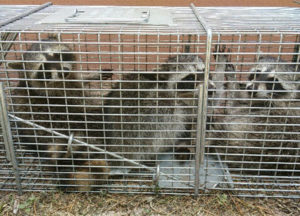
Raccoons are removed using humane trapping methods appropriate for the situation, with attention paid to whether young are present, since separating a mother from her kits can create additional problems if not handled correctly.
Step 3: Exclusion and Repairs
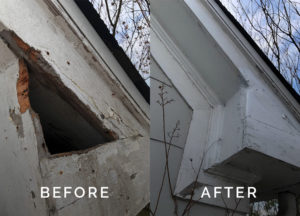
Entry points are sealed and reinforced to prevent raccoons – or other wildlife – from getting back in through the same gaps, vents, or damaged roofline areas.
Step 4: Cleanup and Sanitation
Contaminated insulation, droppings, and affected materials are cleaned and sanitized to reduce odor and health risks left behind after the animals are removed.
Why Choose AAAC Wildlife Removal of Phoenix
Homeowners dealing with raccoons benefit from working with a team that understands local conditions – how raccoons move through canal corridors and residential landscaping in the Phoenix area, and how to address entry points typical of Southwest home construction (tile roofs, stucco, block wall voids). A focus on humane trapping methods and thorough exclusion work is intended to reduce the chance of repeat intrusions, rather than offering a temporary fix.
Risks of DIY Raccoon Removal
Health and Safety Hazards
Raccoons can carry parasites and pathogens, including roundworm found in droppings, and may act defensively if cornered or if young are nearby – increasing the risk of bites or scratches during an untrained removal attempt.
Legal Considerations in Arizona
Wildlife trapping and relocation in Arizona is subject to state wildlife regulations. Homeowners attempting DIY removal without understanding applicable rules can run into legal or logistical complications, which is one reason many choose to work with a professional service instead.
Incomplete or Temporary Fixes
Removing a visible raccoon without sealing entry points or addressing contaminated insulation often means the problem returns – either from the same animal finding its way back in, or a new one taking advantage of the same unresolved opening.
Service Areas Around Phoenix, AZ
AAAC Wildlife Removal of Phoenix serves homeowners throughout the greater Phoenix metro area, including Glendale and surrounding communities.
Call AAAC Wildlife Removal for Fast Help
If you’re hearing noises in your attic, noticing damage to your roofline, or finding droppings around your property, don’t wait for the problem to grow. Call 623-259-6307 to schedule an inspection and get raccoons safely and humanely removed from your Phoenix-area home.
Frequently Asked Questions
How much does it cost to get raccoons removed?
Cost varies based on the extent of the infestation, the number of animals involved, and whether exclusion repairs are needed. A property with a single raccoon and minor entry-point damage typically costs less than one with an active litter and significant attic damage. Request an inspection for an accurate, property-specific estimate.
How do I get rid of a raccoon for free?
There is no reliable “free” method for full raccoon removal, since safe extraction typically requires humane trapping equipment and knowledge of local regulations. Some Phoenix-area cities offer limited dead animal pickup services, but live, active raccoon removal from an attic or crawl space generally requires a paid professional service.
Does animal control charge to remove a raccoon?
Municipal animal control services in the Phoenix area typically focus on stray or public-safety animal issues rather than private wildlife removal from homes, and may not offer free raccoon extraction from an attic or crawl space. A dedicated wildlife removal service is usually the appropriate option for in-home raccoon problems.
Does homeowners insurance cover raccoon removal?
Most standard homeowners insurance policies do not cover the cost of wildlife removal itself, though some policies may cover resulting structural damage depending on the policy terms. Check directly with your insurance provider to understand what your specific policy covers.
Do raccoons stay in the same place every night?
Raccoons often return to a den site repeatedly, especially if it’s providing reliable shelter, such as an attic or crawl space, which is why an active raccoon problem tends to persist rather than resolve on its own.
What animal is a raccoon afraid of?
Raccoons generally avoid larger predators such as coyotes and dogs, but in an urban or suburban attic setting, the more effective deterrents are removing food/water access and sealing entry points rather than relying on predator avoidance alone.
Are raccoons dangerous to have in my attic?
Yes – beyond structural damage, raccoons can carry parasites and pathogens in their droppings, and their presence increases fire risk if wiring is chewed, making prompt removal important for both property and health reasons.
How long does raccoon removal take?
Timelines vary depending on whether young are present and how many entry points need to be sealed, but the process generally spans initial trapping through final exclusion and cleanup rather than a single same-day visit.
Learn more about Raccoons:
- Why Do People Hunt Raccoons
- How to Prevent Raccoon Infestations
- Dealing with Raccoons in the yard
- Raccoon Nest in Your Attic
- The best tactics for Getting rid of Raccoons
- Raccoons in your attic
- Everything you want to know about Raccoon Babies
- How to get rid of Raccoons
- The best (and worst) Raccoon Deterrents
- The telltale signs of a Raccoon Infestation
- Raccoon Trapping
- Sings of Raccoons living in your Attic